Press ESC to close

47 articles

Articles for artists

Breakdowns from the school curators: composition and perspective, colour theory, proportions, stylisation. And separately on the profession — how to build an ArtStation portfolio, what art directors ask at interviews and what an artist actually does at a game studio.

Popular

What to start drawing with?

What to start drawing with?

First you pick a direction — painting, graphics or digital illustration. After that it is the same for everyone: set the movement of the hand, learn simple forms, perspective, building volume and light and shade. Plus a plan for that period and how not to quit in the second week.

September 6, 202649.4K17 min
Composition in the drawing

Composition in the drawing

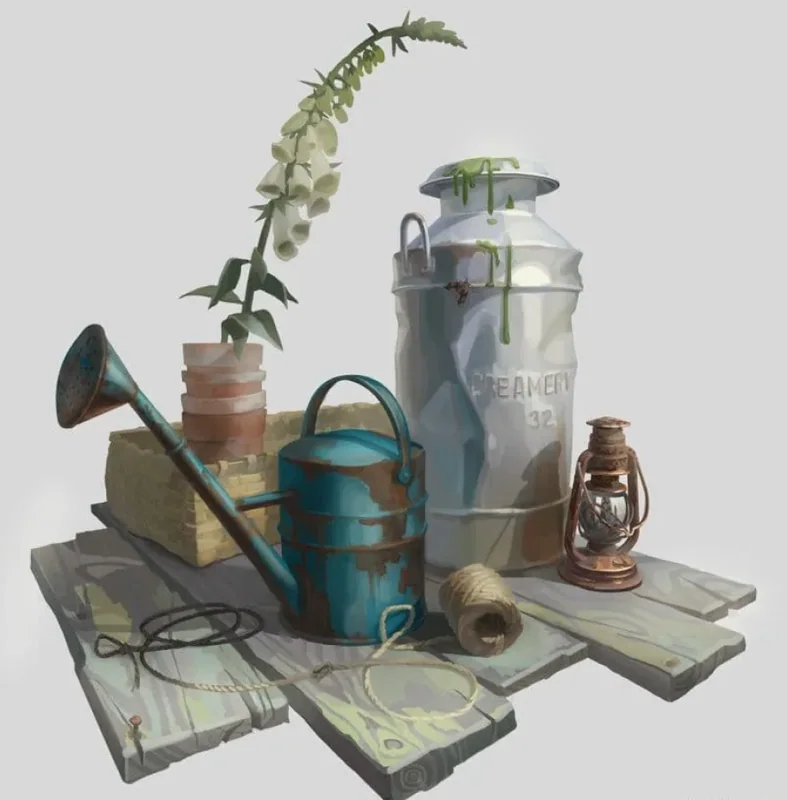
Composition is the arrangement on the page of everything we see: lines, shapes, figures, light. Some areas pull the eye, others give it rest, and the work holds on the balance between them. Types of composition, the focal point, movement and unity, the rule of thirds — across 45 illustrations.

September 6, 202658.8K16 min
Linear perspective: what it is and why it is needed

Linear perspective: what it is and why it is needed

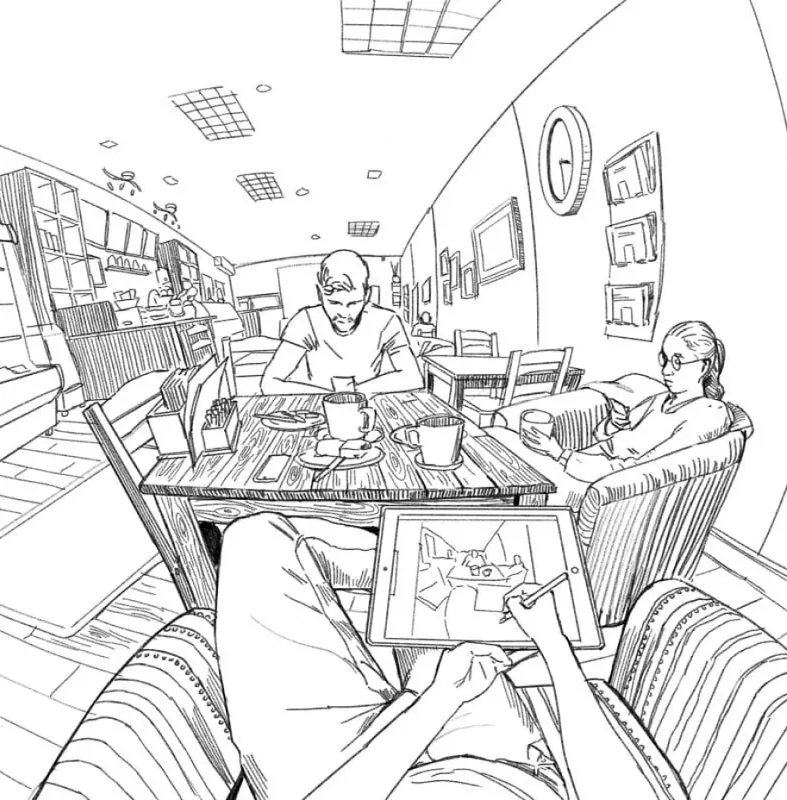
Linear perspective is built on vanishing points: one gives a frontal view, two an angled one, three a view from above or below. A cube shows the construction for each case and where to place the horizon line. There is also what linear perspective cannot convey.

September 6, 202656.9K10 min
Academic drawing: from the first steps to mastery

Academic drawing: from the first steps to mastery

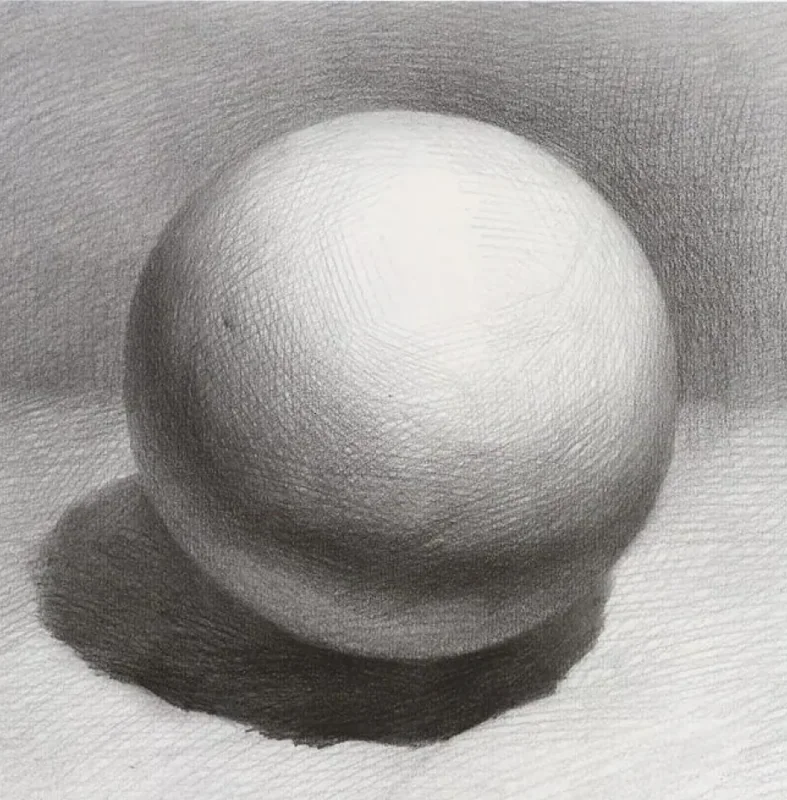
Volume and surface here are carried by line, hatching and light and shade. Academic drawing is learned in two passes: first the constructive stage with construction, proportion and perspective, then the tonal one. For a digital artist it gives form that holds up from any angle.

September 6, 202648.2K8 min
How to draw hands correctly

How to draw hands correctly

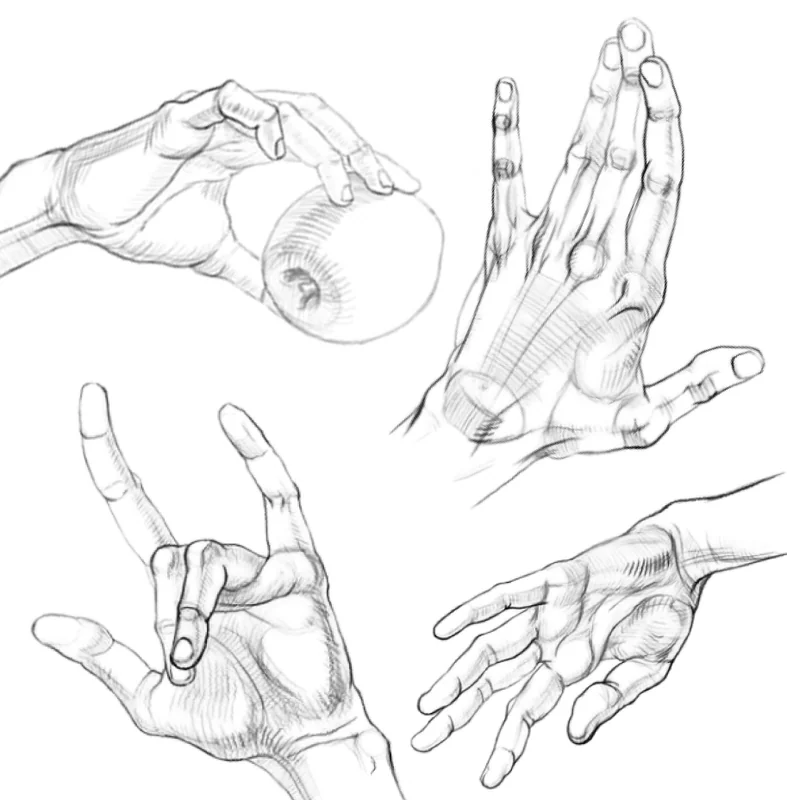
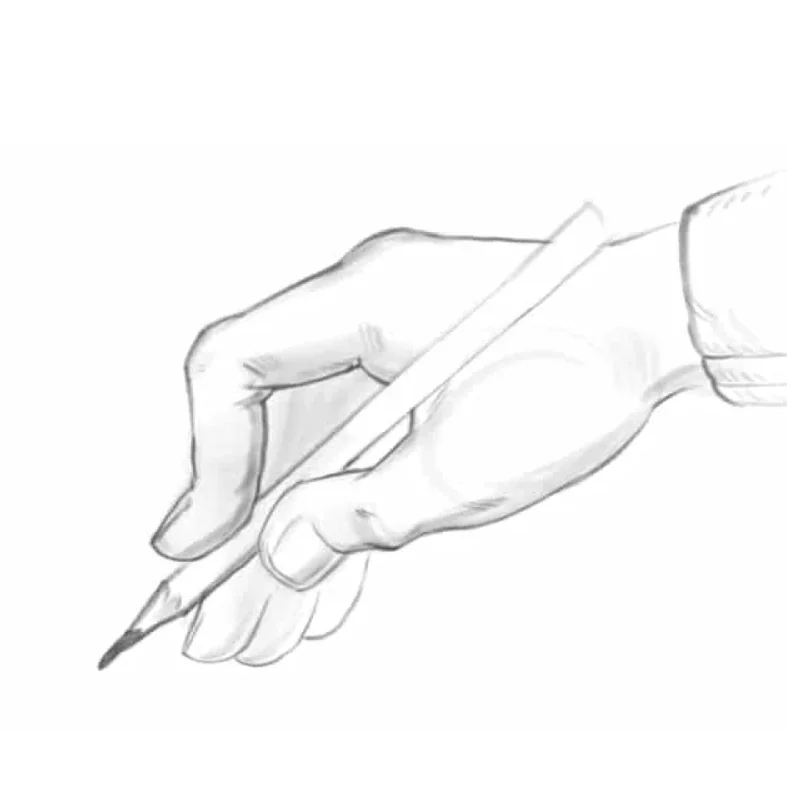
Hands are drawn from construction, not from contour. First the box of the palm and the wedge of the thumb, then the proportions of the phalanges, then the muscles, joints and folds. A hand built this way holds up from any angle and does not fall apart when the gesture changes.

September 6, 202661.8K13 min
Free brushes for ZBrush: brush sets

Free brushes for ZBrush: brush sets

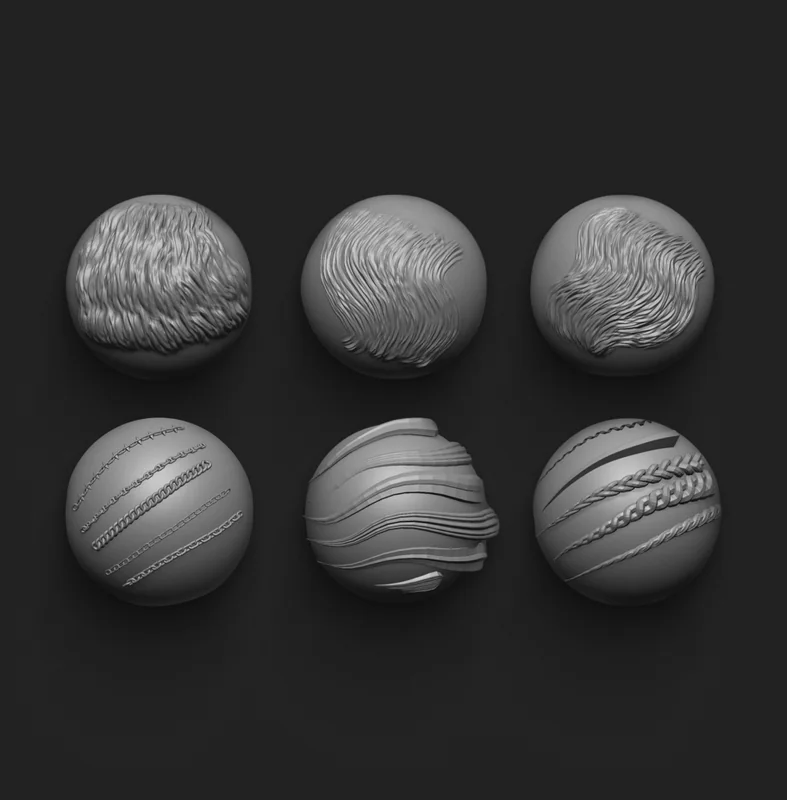
Ladislava Klyarovskaya warns up front that brushes will not raise your sculpting level and should be added one at a time. Her core set is small — Dam Standard and Clay Buildup — with narrower ZBrush brushes on top: Orb, Stitches, Chain and packs for fur. Links to the free sets are at the end.

September 6, 202630.7K3 min
Frontal perspective in drawing

Frontal perspective in drawing

One-point perspective has a single vanishing point: front planes stay parallel to the page and only the side edges run into depth. A cube, a room and an interior show where to place the horizon line and why a drawing sticks flat to the paper without it.

September 6, 202645.8K5 min
Statics and dynamics in drawing: creating mood and movement

Statics and dynamics in drawing: creating mood and movement

Stillness gives calm and stability, dynamics give movement and tension. They work through axes, tilts, rhythm and pose: verticals and horizontals settle the frame, diagonals rock it. When each is appropriate and how to combine both in one piece.

September 6, 202643.4K4 min
About color and light in simple language: a comprehensive guide

About color and light in simple language: a comprehensive guide

Colour is what is left of light after it meets an object, which is why the same local colour looks different under different lighting. From there: colour temperature, how the background sets the mood and how light changes the way materials read. With exercises.

September 6, 202646.1K3 min
The artist's dictionary: your guide in the world of creativity

The artist's dictionary: your guide in the world of creativity

Short explanations of the terms that turn up in courses and job ads: albedo, ambient occlusion, bump, displace, emission and dozens more. For each one, what it means in practice and where you will meet it in the work.

September 6, 202637.9K5 min
Concept art in game creation

Concept art in game creation

Concept art works as a technical brief: modellers and animators build the assets from it. Its job in production, its kinds — from characters and environments to props, vehicles and VFX — the stages of the work and the mistakes beginners trip on.

September 6, 202645K4 min
All about brushes in digital drawing

All about brushes in digital drawing

A brush sets the character of a stroke but does not decide for the artist. Which Photoshop brushes a digital painting needs and what people do with them: textured base, colour dynamics, sculpting form with the stroke, Mixer Brush, smudge and eraser. With stroke samples and a pick of free sets.

September 6, 202646.6K9 min
What to start learning 3D modeling with

What to start learning 3D modeling with

3D modelling starts with choosing a specialisation: modeller, sculptor, texture artist, animator, rigger or lighting artist. That decides both the software and what to learn first. Then the methods of building models, the pay and the order of the first steps.

September 6, 202651K7 min
Stylization in drawing

Stylization in drawing

Stylisation simplifies and exaggerates form for the sake of expression. The work goes through primitives — sphere, cube, cylinder, cone: assemble the object from them first, then complicate. Separately, stylising anatomy, the character of forms and how far to push the detail.

September 6, 202652.1K5 min
Basics of color theory and composition

Basics of color theory and composition

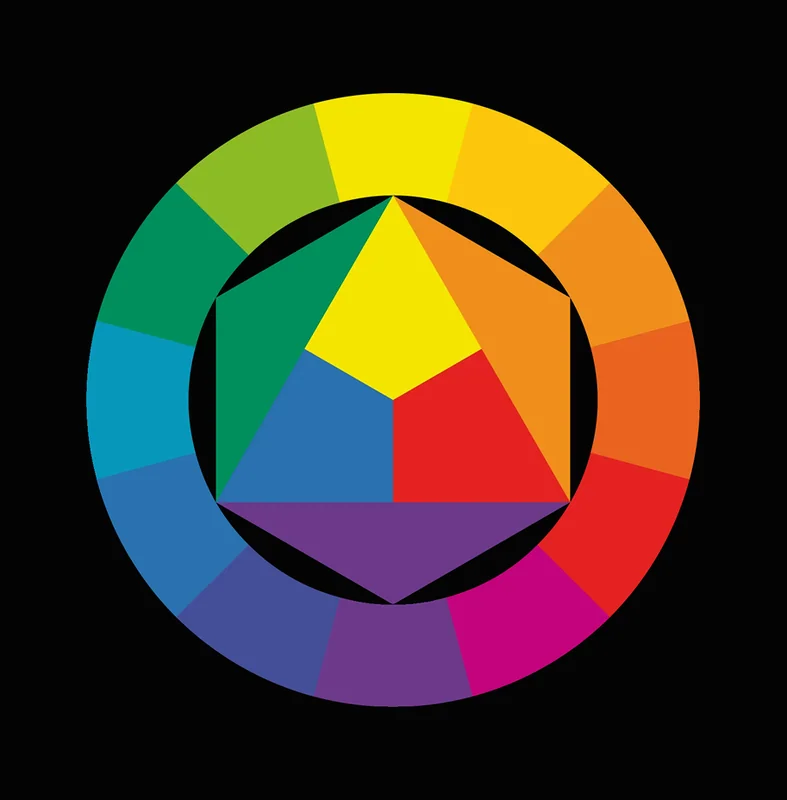
Colour theory is the knowledge of how colours interact and how they affect perception. The core terms, colour schemes, the link between colour and composition, and the psychology of perception, with a history running from antiquity to modern colour science.

September 6, 202645.5K13 min

You may also like

How to draw hair with a pencil

How to draw hair with a pencil

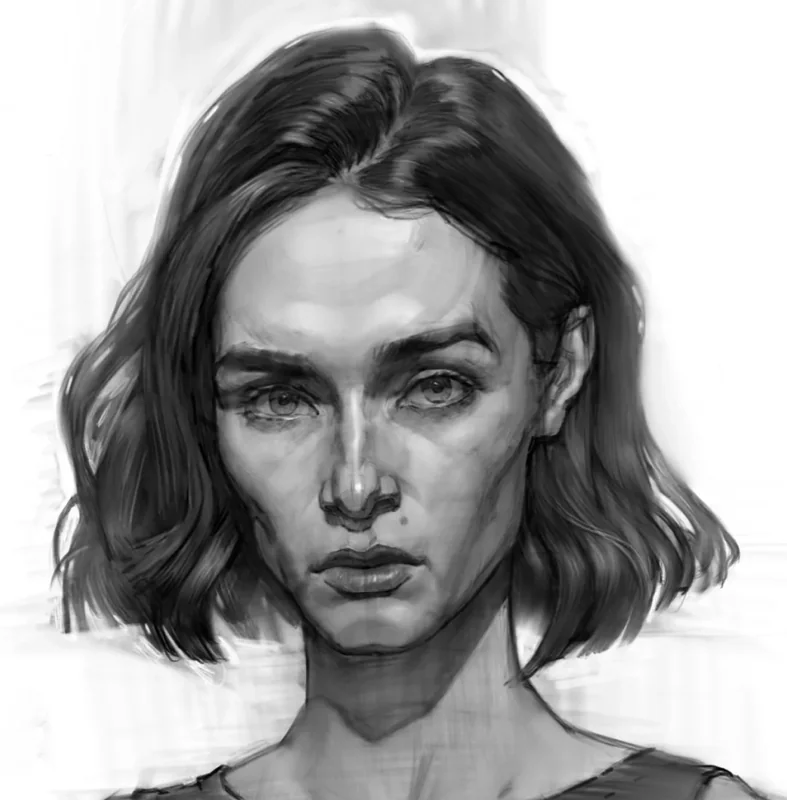
Hair is drawn in large masses and strands that follow the direction of growth and the shape of the skull. First the overall mass of the hairstyle, then a mid tone, then light and shadow, then the architecture of the strands — and only at the end the individual locks where the form breaks.

September 6, 20261.2K6 min
3D for 2D illustration: A comprehensive guide for artists

3D for 2D illustration: A comprehensive guide for artists

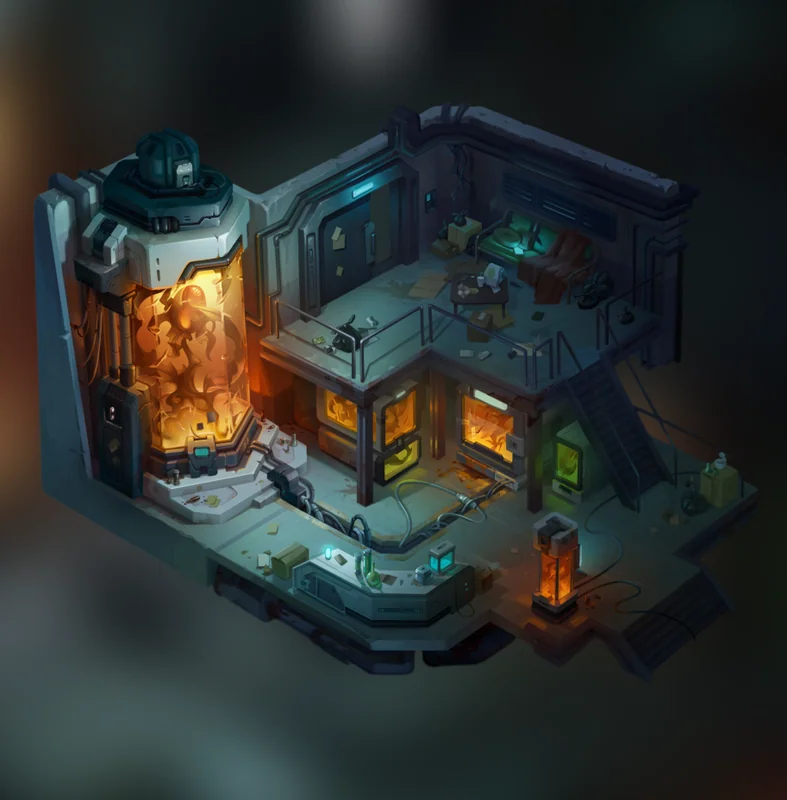
A 3D block-out takes the most tedious part off a 2D illustrator — building the perspective and finding the angle. The pipeline step by step: fast scene blocking, complex models, lighting, materials, render and painting over the top.

September 6, 202640.5K5 min
How to draw a chest

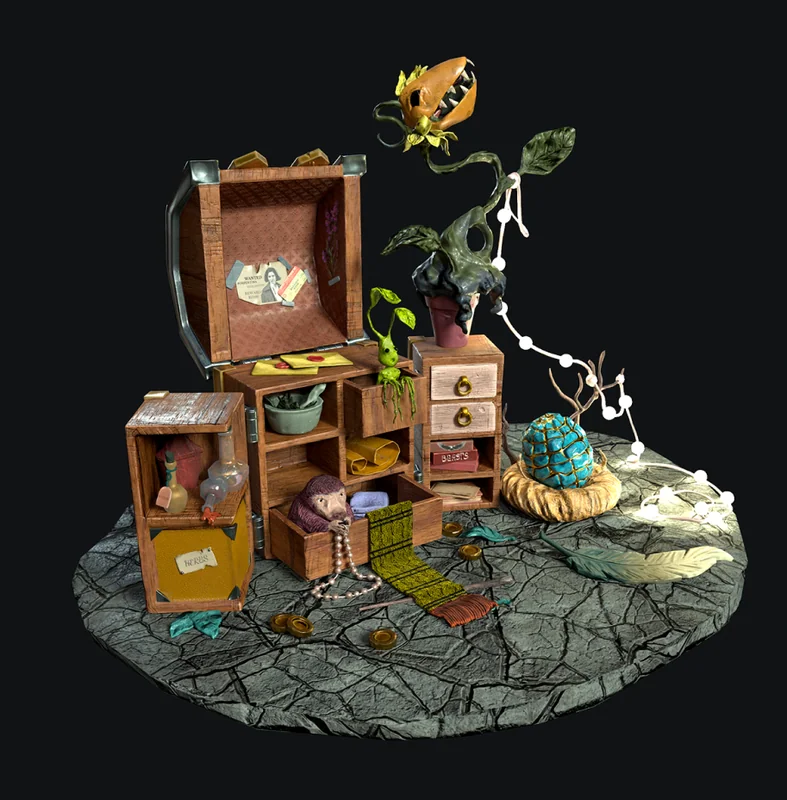
How to draw a chest

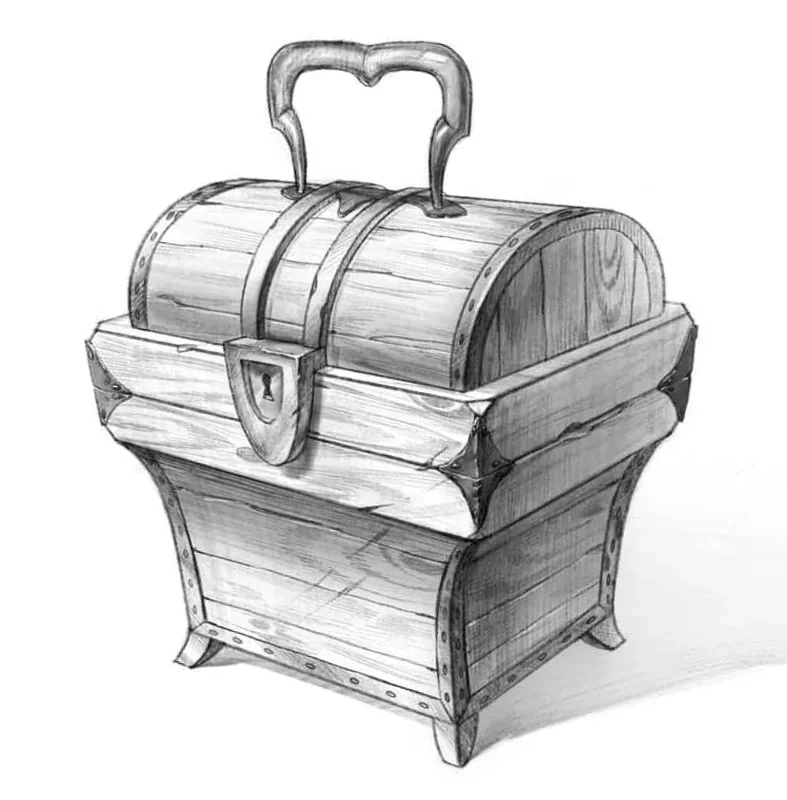
To draw a chest, start with a box in perspective. Volume first, then the lid with its own curve, then the banding and the lock. The texture of the wood and metal goes on last, once the form already stands.

September 6, 202634.8K9 min
How to draw a house

How to draw a house

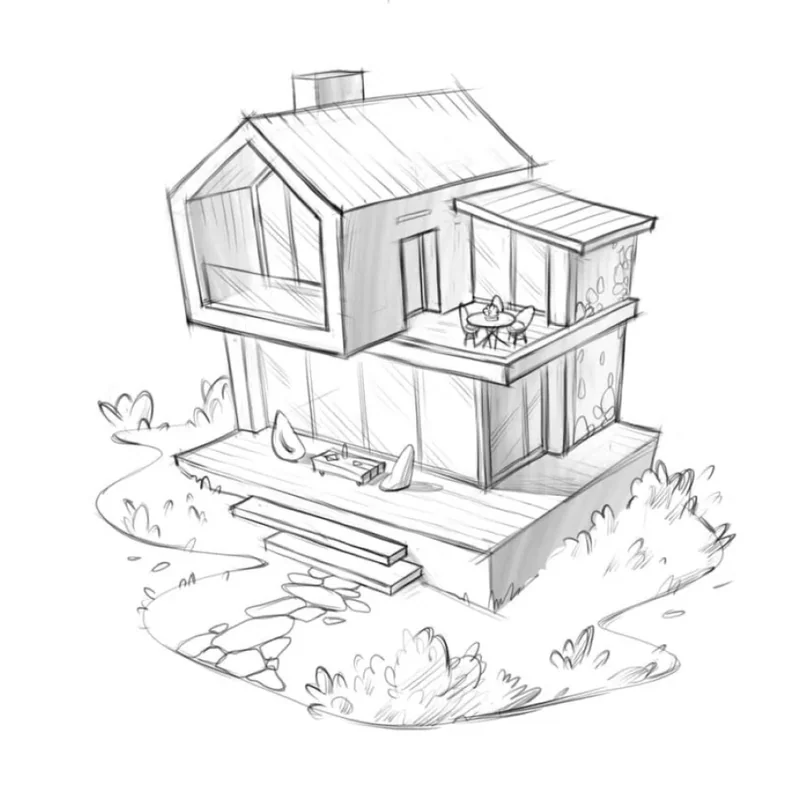
To draw a house, start with a box in perspective — one-point, two-point or three-point, depending on where you are looking from. The roof, windows and doors then sit on the box, and only at the end come the shadow and the texture of the walls.

September 6, 202653.9K10 min
How to draw lips

How to draw lips

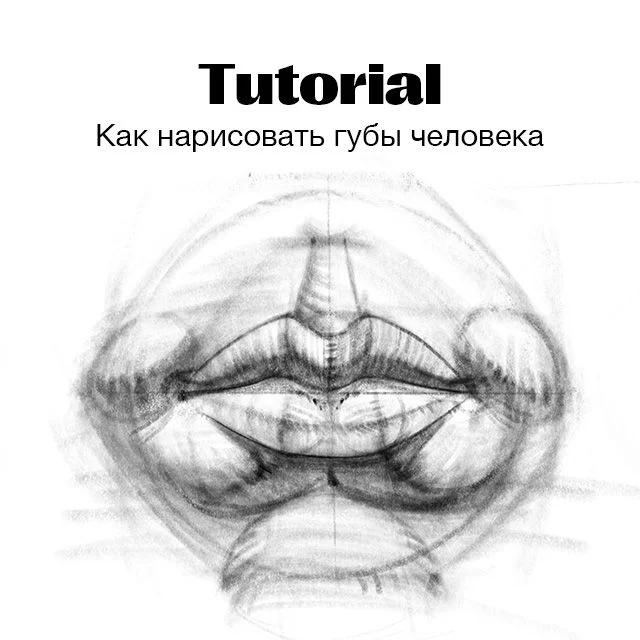
The internal construction of the lips is the same for everyone; only the proportions change. To draw lips you go from volume — the cylindrical form of the jaw, with the upper and lower lip over it, the philtrum and the corners. Light, shade and the highlight go on last, once the form already reads.

September 6, 202642.6K6 min
How to draw fur

How to draw fur

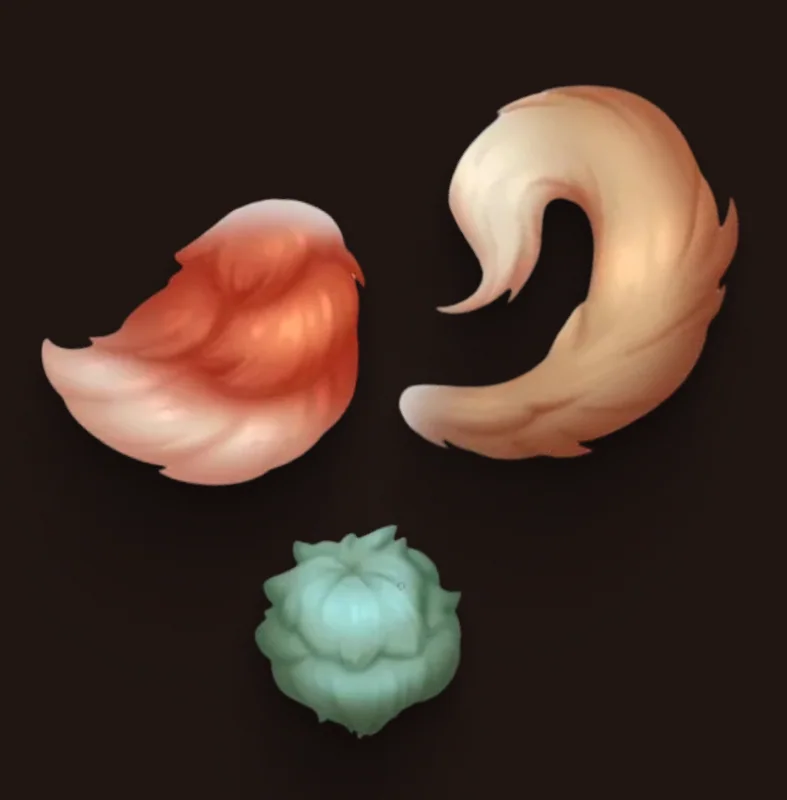
Fur is drawn in layers, not hair by hair — shadows first, then ambient occlusion, then light and finally highlights with a soft edge. You need Photoshop or Procreate and a finished line: rendering over it takes about fifty minutes. Source files and a checklist are included.

September 6, 202637.5K8 min
Sketching for beginners

Sketching for beginners

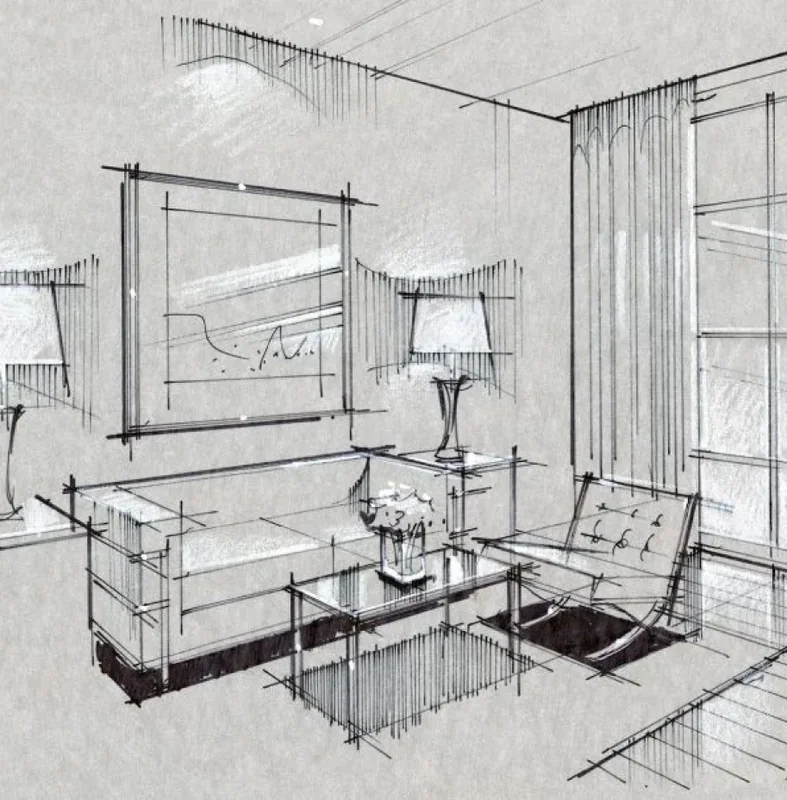
Sketching is the fast capture of what you see, and it has many directions: architectural, interior, industrial, fashion, concept, portrait. How they differ, what materials each one needs and where a beginner should start.

September 6, 202633.9K4 min
How to draw a nut

How to draw a nut

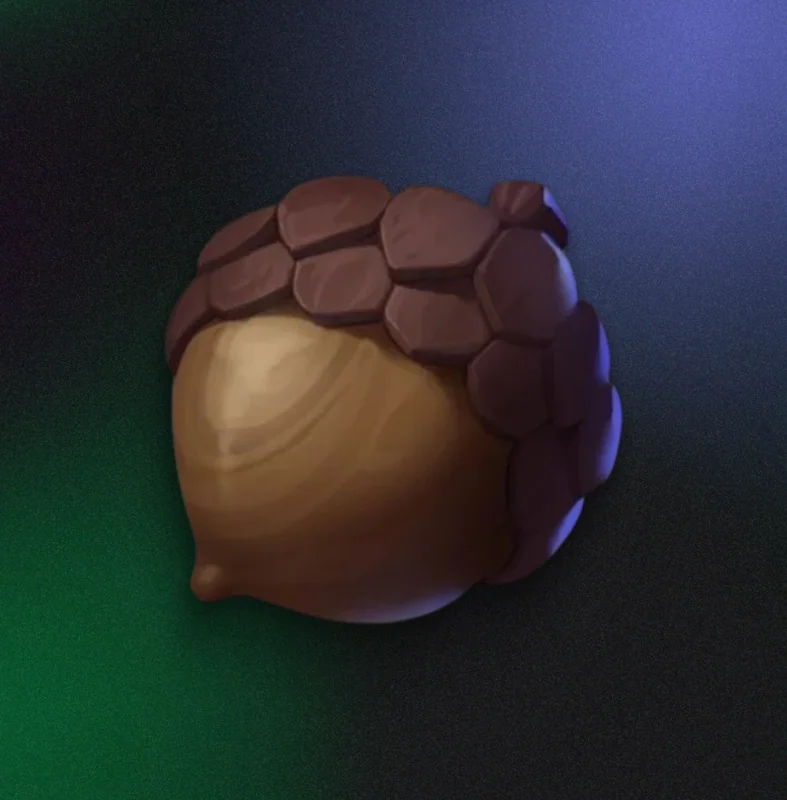
A short lesson on the material of wood: the form of a nut, the texture of the shell and soft shading. The curators of the 2D graphics course show the brush settings and blend modes it takes.

September 6, 202625.3K3 min
How to draw magical fire

How to draw magical fire

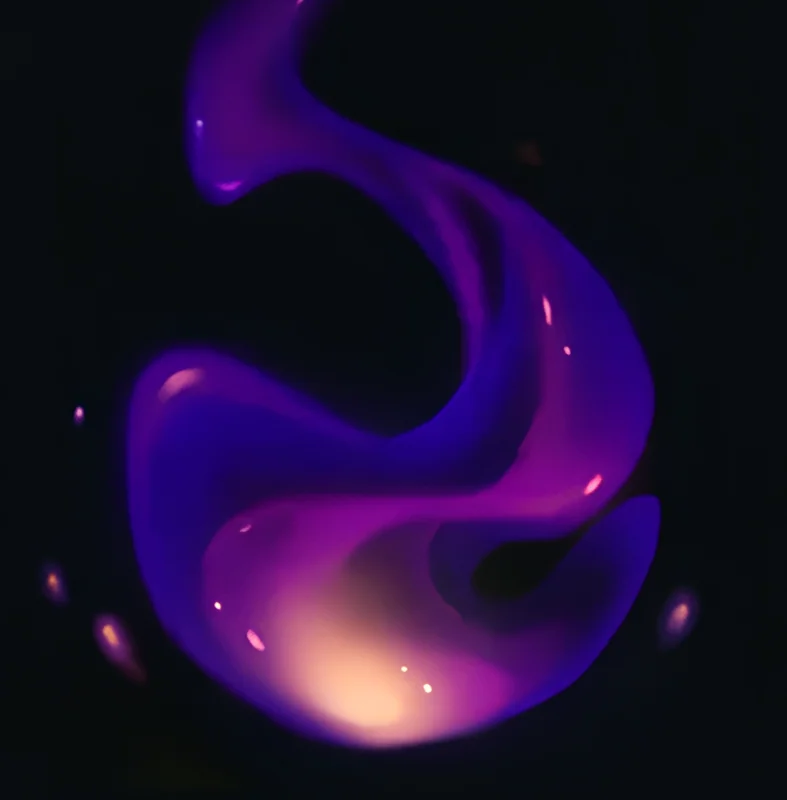
Magic fire rests on three things — a confident flame shape, brush settings and blend modes. Drawing fire starts with a rough outline using a pressure brush, then come the glow layers running from the hot core outwards and the light it throws on its surroundings.

September 6, 202623.6K3 min
How to draw a kerosene lamp

How to draw a kerosene lamp

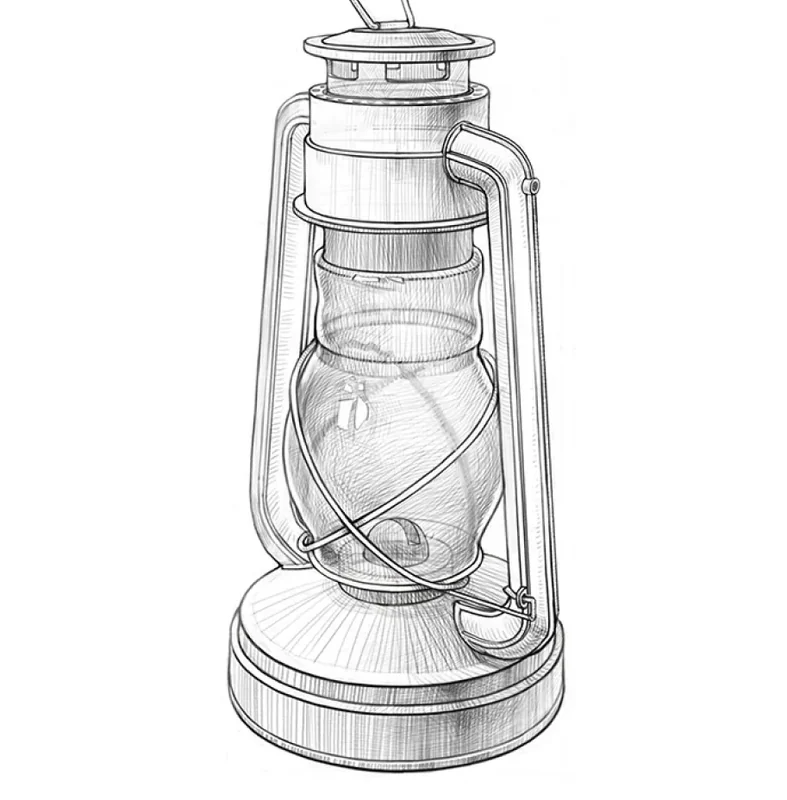
A kerosene lamp is an exercise in ellipses and materials. The axis of symmetry, ellipses opening consistently, clear glass, highlights on metal and the warm glow of the wick: drawing the lamp pulls all of that together over twelve steps with a final check.

September 6, 202617.2K4 min
How to draw a shell

How to draw a shell

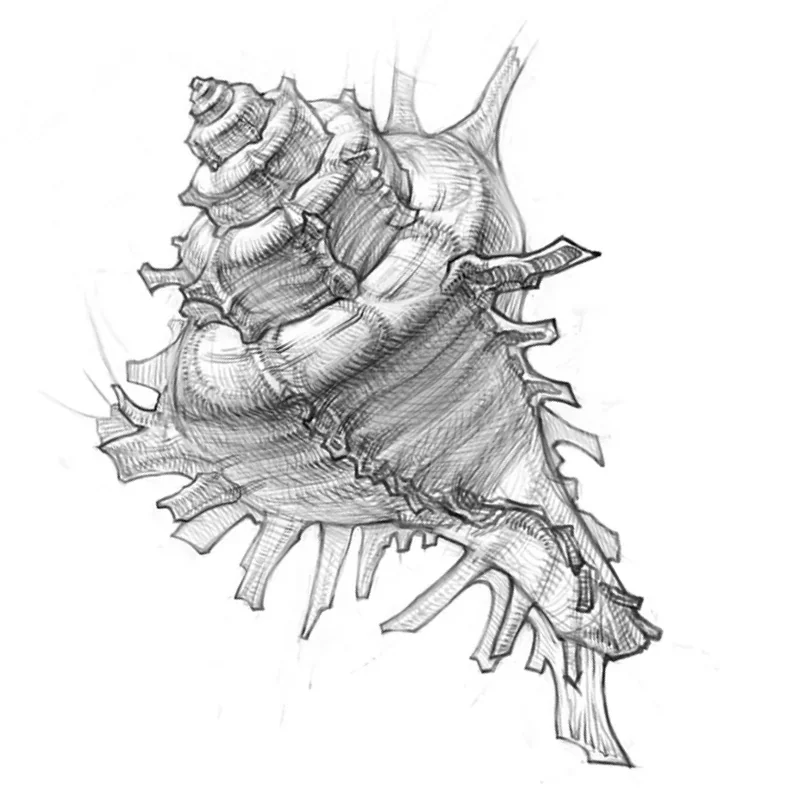
A shell starts with working out the spiral — how the whorls turn inward and how the ribs and grooves lie along them. Then shadow on the curved surface, cracks and chips, highlights lifted with an eraser. A shell can be drawn in pencil, with the whorls run off a compass.

September 6, 202626.8K2 min
How to draw a palm tree

How to draw a palm tree

Stylisation begins with the silhouette. First you study the reference and pull out what makes the tree itself, then draw several variants of the outline and pick the strongest — that is how you get a palm tree that reads at a glance. Colour and detail go on last.

September 6, 202626.6K3 min